
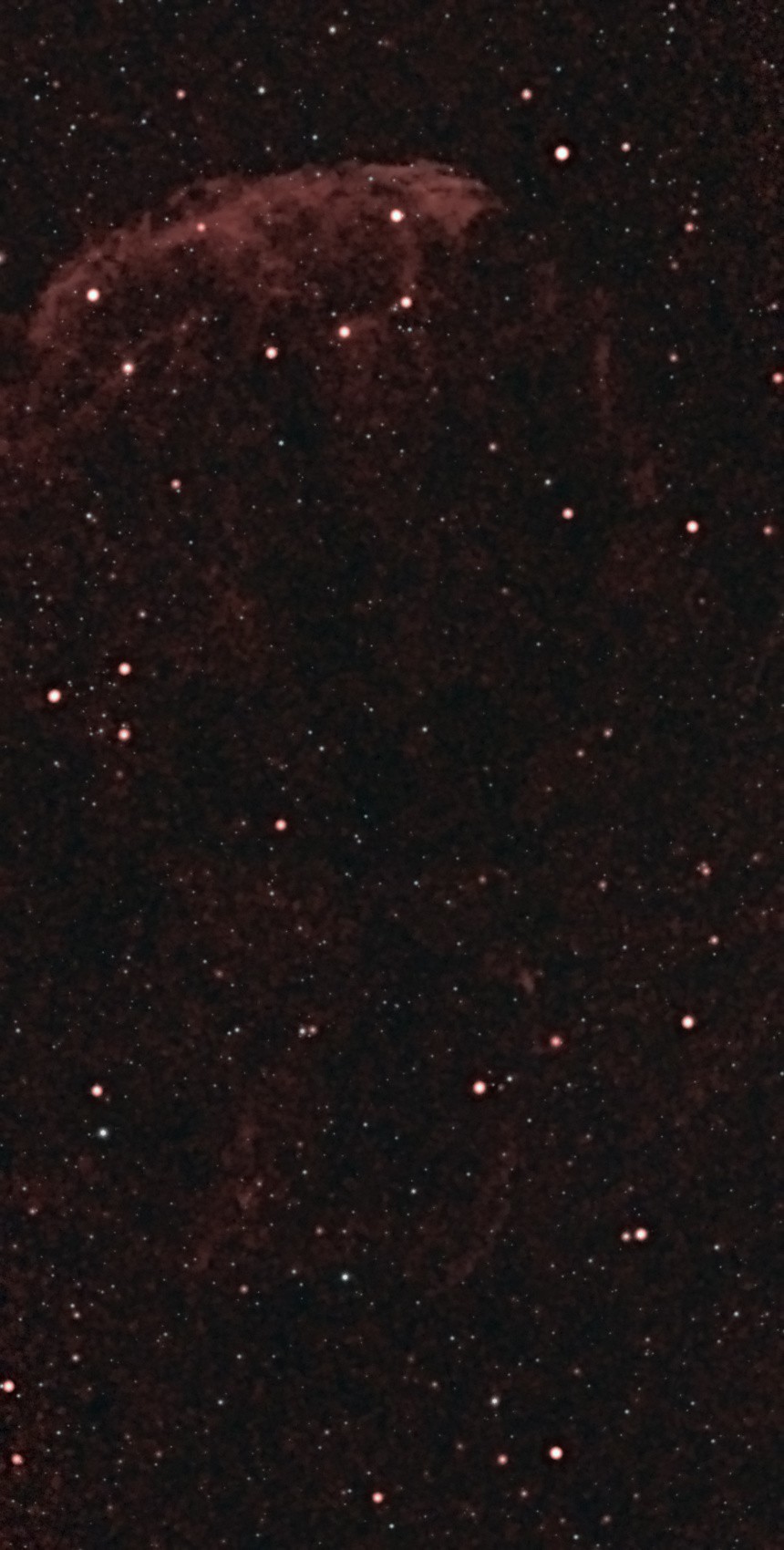
IC 443 — The Jellyfish Nebula
A living entry: 24 minutes down, a winter of hours to come
What you're looking at
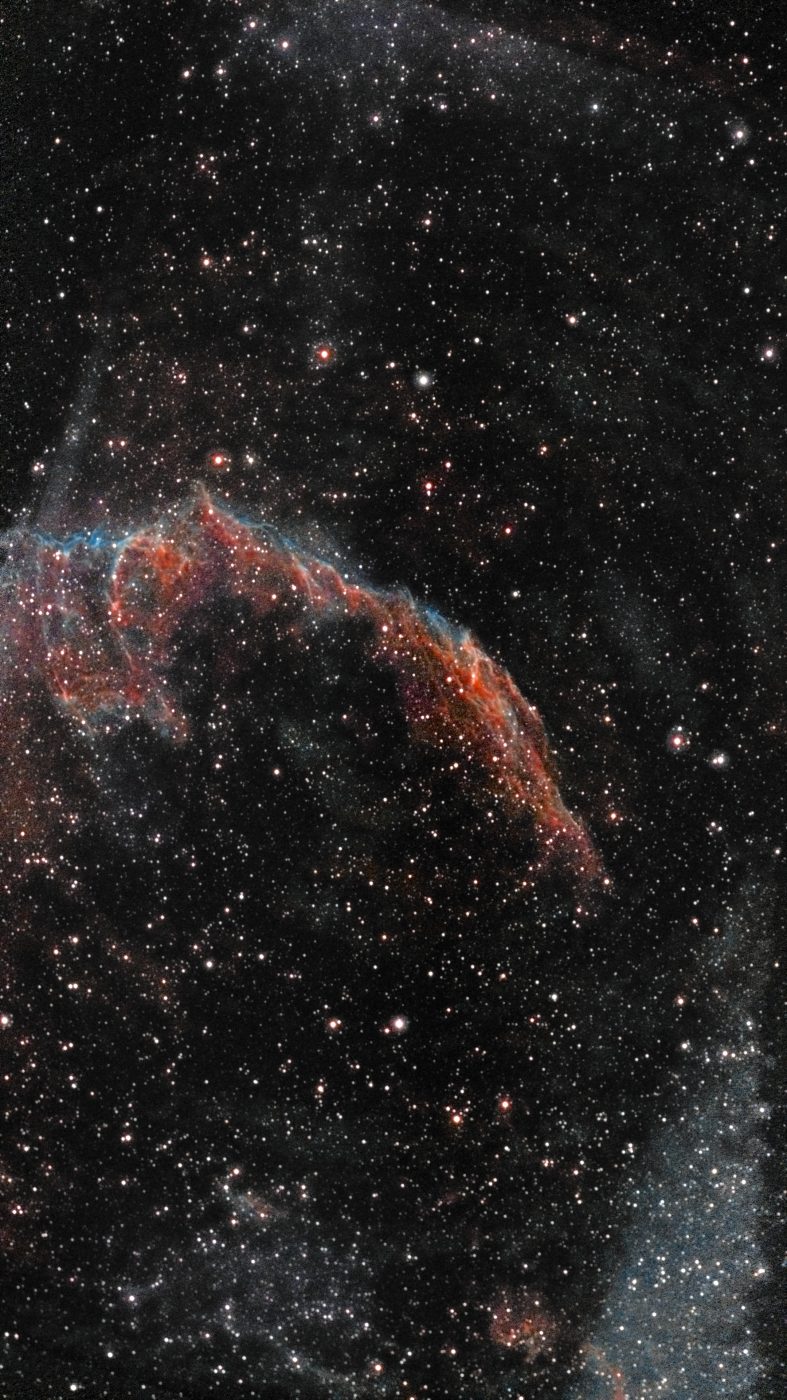
IC 443 is a supernova remnant — the expanding wreckage of a star that detonated somewhere between 30,000 and 50,000 years ago, about 5,000 light-years away in Gemini. The bright arc in my frame is the shock front, still moving at around 100 kilometers per second, lighting up where it plows into surrounding gas.
This remnant is a rarity: astronomers found the collapsed core. A neutron star (CXOU J061705.3+222127) is plowing through the southern edge of the shell, the crushed remains of the star that exploded — a city-sized sphere flung outward by its own detonation.
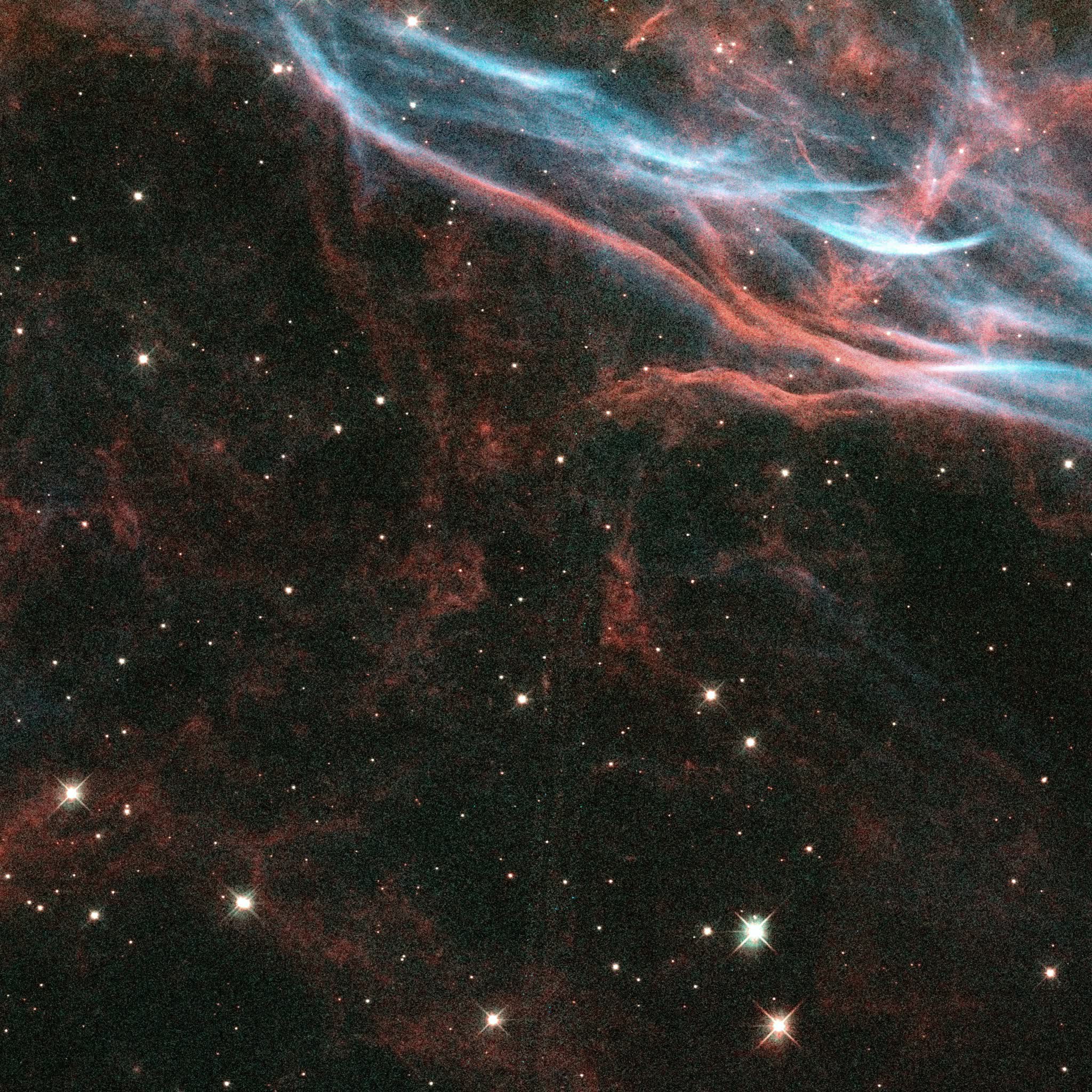
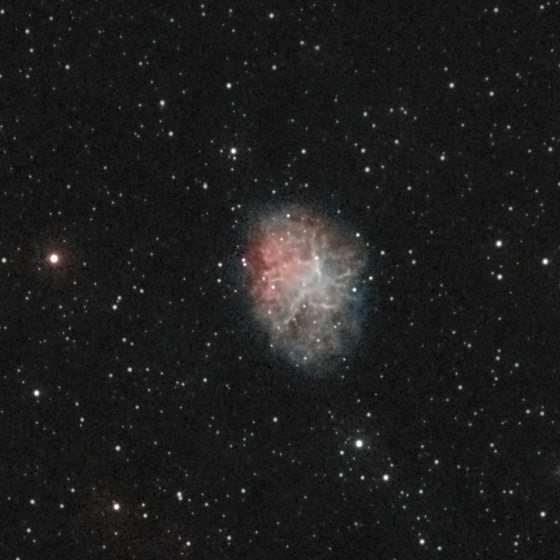
It's the third supernova remnant in this journal, and the three now form a timeline: the Crab is 1,000 years old and still electric; the Veil is 10,000 years old, lace pulled thin; the Jellyfish is 30,000+, ragged and dissolving into the clouds it hit. Same event, three ages — the full life cycle of an explosion.
The lesson
I'm publishing this one unfinished, on purpose. Twenty-four minutes of data, one bright arc, most of the jellyfish still under the noise floor — and next to it, NASA's infrared view showing everything I haven't earned yet.
That gap between the scouting frame and the map is the plan, written in photons: I know exactly what months of winter nights are supposed to produce, because it's sitting right there in the comparison.
Most people hide the before picture until they have the after. Publishing the before first is the stronger move — it puts the goal where you can't quietly abandon it.
The same jellyfish, in infrared — NASA’s WISE space telescope
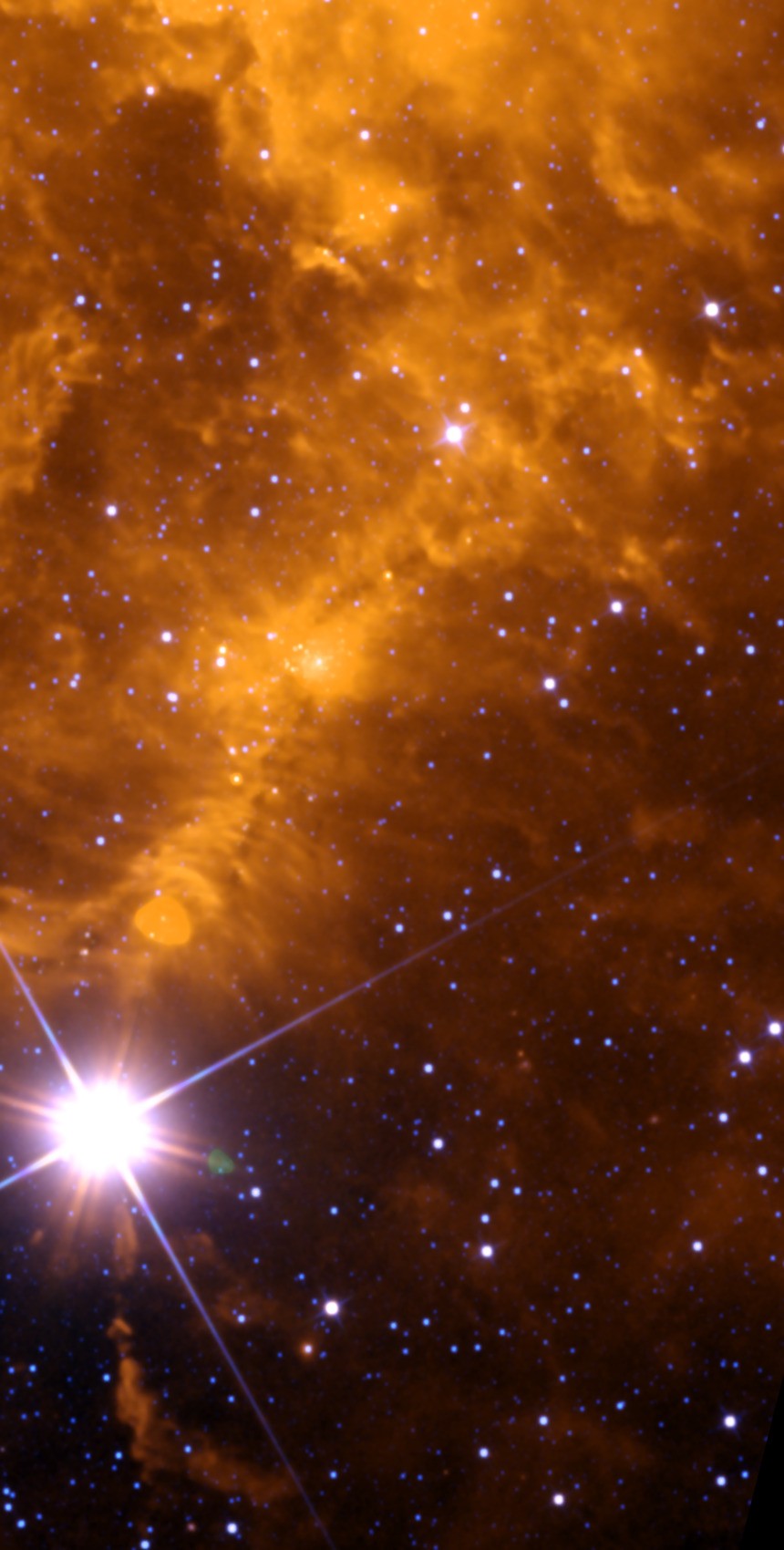
Image data: NASA/JPL-Caltech, WISE (ALLWISE atlas tiles), public archive via IRSA. Five-tile mosaic, reprocessed and registered to the backyard frame by Kyle Eberly / Sitreps.
- My telescope
- ZWO Seestar S50 — 50 mm lens, visible light, 24 minutes so far
- This telescope
- WISE — a 40 cm space telescope above the atmosphere
- The light
- 3.4, 4.6 and 12 µm infrared — heat the atmosphere never lets through
- The data
- Five ALLWISE sky-atlas tiles from NASA’s IRSA archive, star-registered onto my exact framing
Publishing the archive view before my own shot is finished inverts the usual order — and that’s the point. The WISE frame is the map; the winter’s shooting is the territory. Come back in a few months and compare.
Object data
- Catalog
- IC 443 · Sharpless 2-248
- Constellation
- Gemini
- Type
- Supernova remnant
- Age
- ~30,000–50,000 years — the journal’s oldest remnant
- Distance
- ~5,000 light-years
- Inside it
- A neutron star, found plowing through the southern shell
- Status
- LIVING ENTRY — 24 min down, deepening all winter
More from the journal
One photo. One lesson.
New entries land when the sky cooperates. Get them by email — no schedule, no spam, just what the telescope caught and what it taught.